
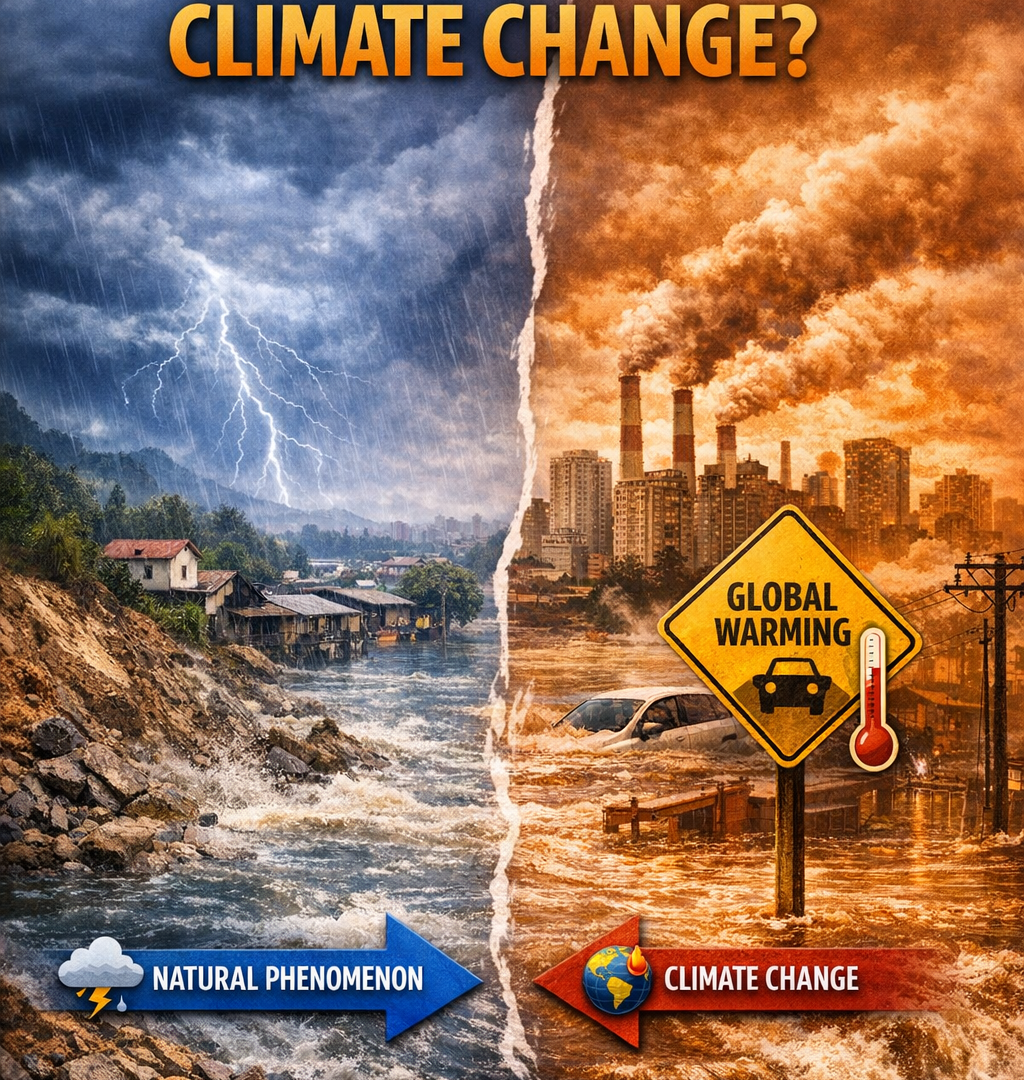
Ouro Preto, March 12, 2026 – Minas Gerais is experiencing days of tension. Persistent rainfall has affected over 120 municipalities, causing floods, landslides, and leaving families homeless. Civil Defense remains on high alert, while experts warn that this is not an isolated event: other regions of Brazil are also facing above-average storms.
Minas Gerais under pressure
Daily volumes between 50 and 100 mm have been recorded in several cities.
Juiz de Fora accumulated over 750 mm of rain in February—three times the historical average.
Cities like Ubá and Governador Valadares have declared a state of emergency.
Brazil on alert
Paraná: Curitiba and its metropolitan region are under yellow alert, with risk of flooding and strong winds.
São Paulo and Rio de Janeiro: storms linked to a cold front along the coast.
Central-West: intense showers typical of the summer-autumn transition.
South: Santa Catarina and Rio Grande do Sul report above-average rainfall, reinforced by polar air masses.
The role of climate change
Researchers affirm that global warming intensifies extreme weather events.
Warmer atmosphere → retains more water vapor.
Stronger rainfall → when that vapor condenses, it falls in much larger volumes.
International studies indicate that precipitation has become up to 20% more intense due to climate change.
Impacts and challenges
Insufficient urban infrastructure worsens the effects of heavy rains.
Vulnerable communities suffer most from floods and landslides.
Urban planning and environmental policies are urgently needed to face this new climate reality.
The rains currently affecting Minas Gerais and other regions of Brazil are not merely seasonal phenomena. They reflect a global climate shift that intensifies extremes and demands swift, structural responses.

Maryam Arruda (@evolucaoeconhecimento) is a journalist, writer, and tourism specialist.
Contact: +55 (31) 99531-5732