
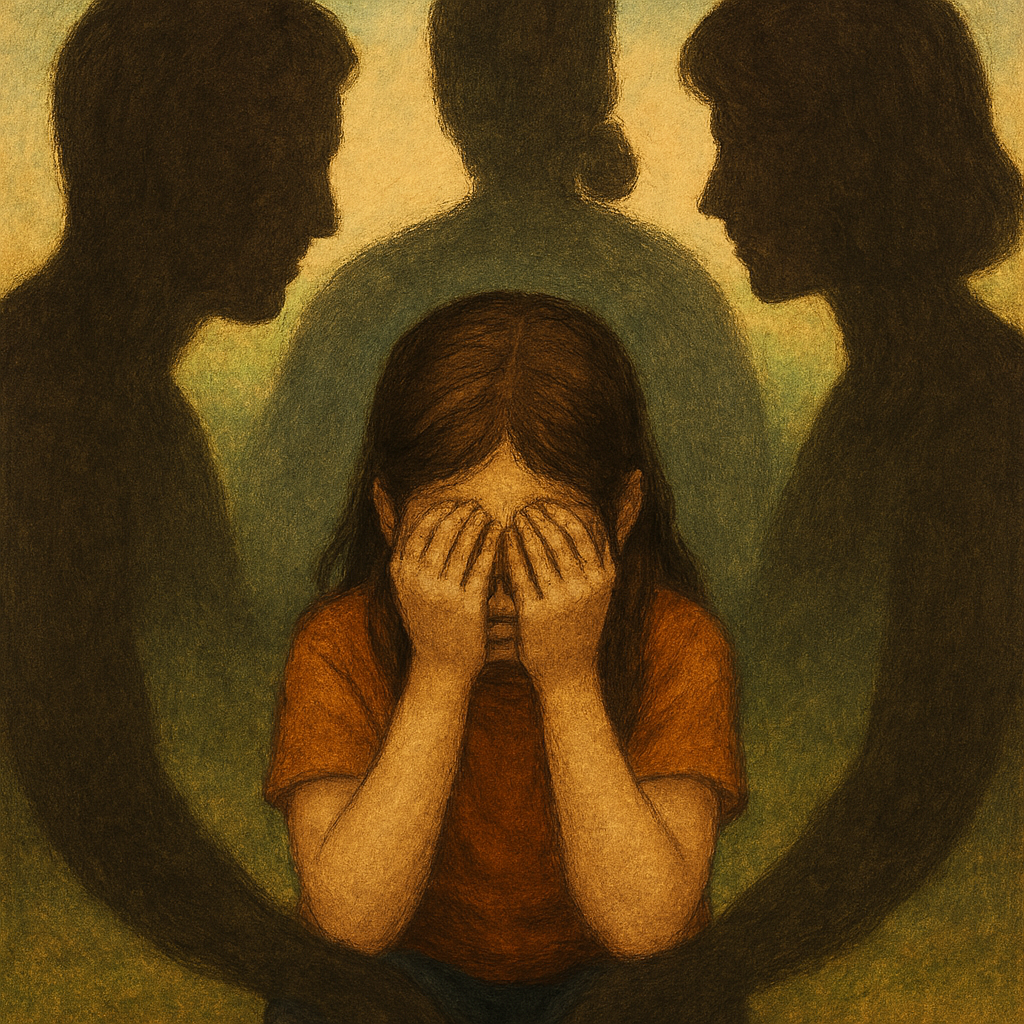
Anonymous Voices: Accounts of Abuse and the Urgency of Awareness
In a series of anonymous interviews, different people shared experiences they lived through or witnessed involving sexual abuse. The accounts, though painful, highlight the importance of prevention, active listening, and trust within families and institutions.
“Back when I was on the soccer team, around 14 or 15 years old, some friends went through terrible situations. The coach, who was about 60, offered them money in exchange for sexual favors. I wasn’t directly affected, but I saw it up close.”
This interviewee, now a father, says he speaks openly with his son about the issue:
“He trusts us. Once, he had to shower at someone else’s house and called us to ask if he should. That kind of dialogue is essential.”
Another account comes from a woman who only recognized the abuse years later:
“When I was six or seven, my cousins put me in strange situations, but I didn’t understand it was abuse. Later, as a teenager, a friend suggested we let an older man touch us for money. I refused, but I didn’t report it. I only realized the seriousness after watching a documentary about the Epstein case.”
She explains that, as an adult, she sought spiritual support and chose to distance herself from men who showed signs of violence or manipulation.
“I don’t have children yet, but I want to. My advice to parents is to be partners with their kids, so they trust and tell everything. Today, with social media, it’s even more important to stay alert.”
A third interviewee describes situations she faced as an adult:
“Some older men approach me thinking I’m younger. They laugh and ask how old I am, insinuating things. To protect myself, I say I’m 40, and they back off. It’s a psychological resource I learned. But many of these men are pedophiles and need to be held accountable.”
Conclusion
The accounts show that sexual abuse can take many forms and often goes unrecognized in childhood or adolescence. Awareness, family dialogue, and reporting are fundamental to protecting children and teenagers.
In Brazil, the official reporting channels are Dial 100 (Human Rights) or Dial 180 (Women’s Assistance Hotline).
This report seeks to raise awareness among mothers, fathers, and educators about this issue.
Revista Poesias e Cartas
Written by Brazilian Journalist Maryam Arruda
+55 31 99531-5732